Here's a sneak peek at some of the presenters and sessions lined up for this year's event. The full programme will be released soon and available here for download. Please note that the Saturday morning Sunrise Yoga class is the only session with limited numbers and will require booking in advance.
We look forward to seeing you at Manaaki Tāngata | MEDSAC National Update 2026 and sharing these conversations, insights and learning opportunities with you.
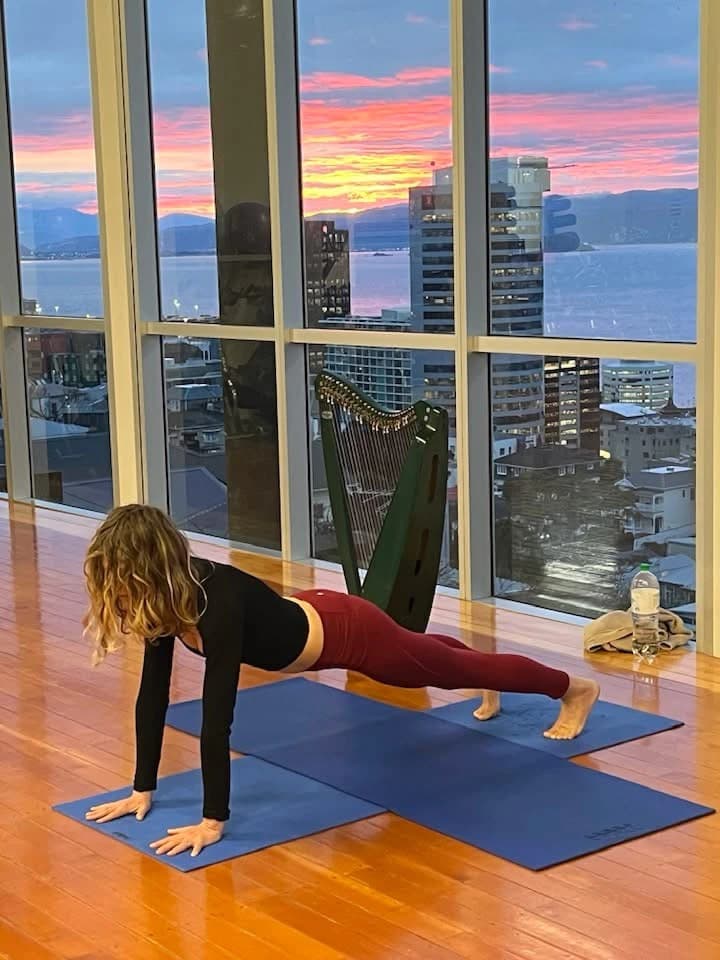
Light Rising: A Sunrise Yoga Journey with Live Harp
Following the positive feedback from Jessica's sunrise yoga session at Manaaki Tāngata 2025, Jessica will be back this year for another session!
This gentle sunrise yoga class offers a restorative space for practitioners working with survivors of sexual assault. The practice will weave mindful movement and grounding breathwork with the soothing resonance of live harp music.
Participants will be guided through accessible postures to support nervous system regulation, release tension, and foster embodied safety, restoring personal well-being while deepening the capacity to hold compassionate space for others.
Saturday morning yoga session from 6.45-7.30am
Please complete the following form (spaces are limited):
People

Katherine Haftka, Paul Wilson & Debbie Harrison
A Nurse Perspective - Therapeutic Evidence, MEDSAC and the Police
Requests for disclosure of notes and Statements of Fact from clinicians, particularly Nurses, following Therapeutic/Non-Forensic consults. Understanding the police process, why these statements are requested and what happens when an expert opinion is required? Practical guidance and support for nurses who find themselves involved in court processes.
This session will be presented by Katherine Haftka - Registered Nurse and Wāhi Mārie Lead Nurse, Paul Wilson from NZ Police and MEDSAC Clinical Governance Committee Chair Debbie Harrison.
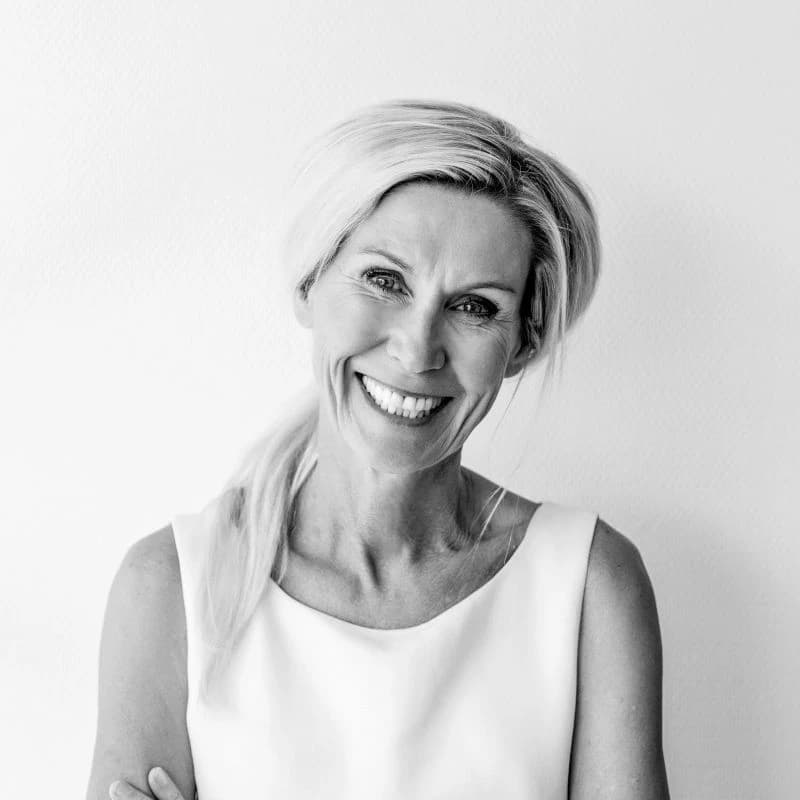
Nikki Denholm
Sexual Violence in the Digital Age
This workshop will provide an in-depth overview of the contemporary youth digital landscape, including key trends, patterns of use, and emerging technologies, and explore how digital environments intersect with violence and shape how it is produced, normalised, and experienced across online and offline contexts. It will examine the implications for FVSV prevention and response in the digital age, including understanding,recognising, and responding to the emerging range of online-related sexual harms.
Nikki Denholm, MNZM, has a health background specialising in emerging sexual health issues. She is the founder of The Light Project, which equips and strengthens the workforce to help young people safely navigate their digital sexual worlds. Her current work focuses on the intersection of digital environments, sexual violence, and harm, alongside effective strategies for online-related harm prevention and response.
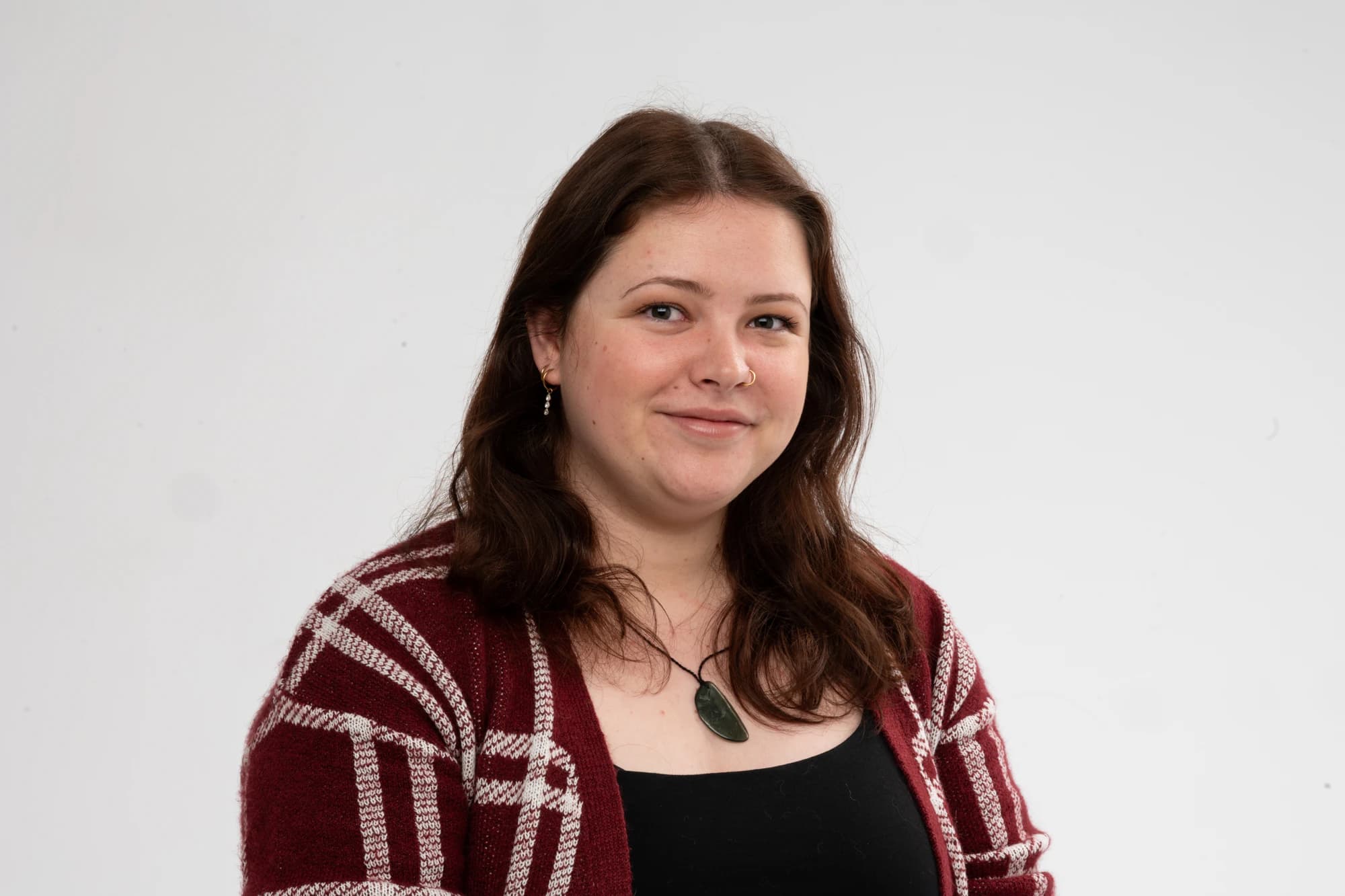
Anna Ashton
Surviving Digitally Facilitated Sexual Violence: A Lived Experience Perspective
Many survivors of sexual violence report that their experience didn’t seem ‘bad enough’ to seek help because of a lack of severe physical injury or brutality. So, what does that mean for survivors of abuse whose experiences were primarily online? What about when this violence follows us from the digital world to beyond the screen? In this presentation, the ways digitally facilitated sexual violence shapes how survivors interpret their experiences, seek support, and relate to others will be explored from a lived experience perspective with implications for policy and practice.
Anna Ashton is a Lived Experience Advisor working with Specialist Mental Health Services in Waitaha Canterbury. Anna specialises in online harm reduction and provides consultation and training for the health sector and psychoeducation groups for whānau and tāngata whai ora (people seeking wellness). Anna has a dual lived experience and academic background with a BA(Hons) in Psychology and first-hand experience of crisis, community, and inpatient mental health care. As a survivor of sexual violence and image-based abuse Anna is particularly passionate about creating a New Zealand where everyone can recognize digitally facilitated sexual violence, apply harm reduction strategies, and access effective assessment, prevention and postvention pathways.

Anselm Williams and Claire Hislop
After the Examination: How Your Evidence Is Used in Court
Senior Crown Prosecutors Anselm Williams and Claire Hislop from Luke Cunningham Clere will give a prosecutor's view of sexual violence trials and the part medical evidence plays in them.
The session follows a case from the decision to charge through to trial and sentencing, and shows where MEDSAC clinicians and their evidence fit within it. Anselm and Claire will explain what prosecutors need from your expertise and how they decide what evidence to call at trial.
Strangulation and choking in sexual and other violence get particular attention. Claire and Anselm will work through the legal issues these cases raise and what the prosecution must prove. Expert medical evidence can be especially helpful in these cases. It helps judges and juries understand what your examination found and why it is significant, even when there are few or no visible injuries.
The session aims to put your evidence in context. Anselm and Claire will explain why your evidence can be central to one case and play a minor role in the next. They will also explain why you are sometimes called to give evidence in person and be cross-examined, while in other cases you are not required.
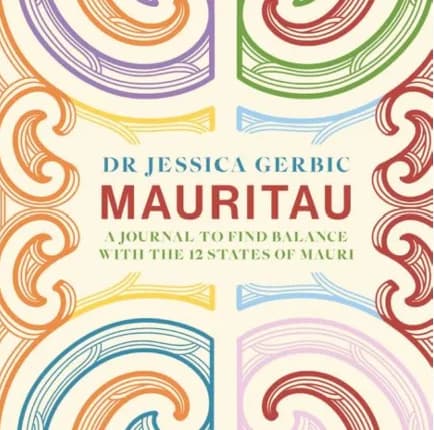
Jessica Gerbic
Mauritau, finding balance within
Mauritau is both a state our mauri takes and a practice for finding calm and balance. Mauri tau is deeply grounded in Te Ao Māori, drawing on whakapapa, whenua, mauri and wairua. During this session, we will explore what mauri is and the states across which it can ebb and flow. What reaching a state of mauritau feels and looks like and why tuning into mauri.
Ko Kopukairora tōku Maunga | Ko Waitao tōku Awa | Ko Tauranga tōku Moana | Ko Mātaatua tōku Waka | Ko Ngāti Pūkenga, Ko Ngāti Pikiao ōku iwi | Kei tamaki makaurau ahau e noho ana | Ko Jessica Gerbic tōku ingoa |
Dr Jessica is a Registered Māori Clinical Psychologist committed to weaving together mātauranga Māori with Māori and western psychology. She is the founder of Pūkenga Psychology, which provides mental health services and resources focused on strengthening hauora, for individuals, whānau, and communities. She has worked in NGO, public health and now private practice alongside rangatahi, pakeke and whānau.
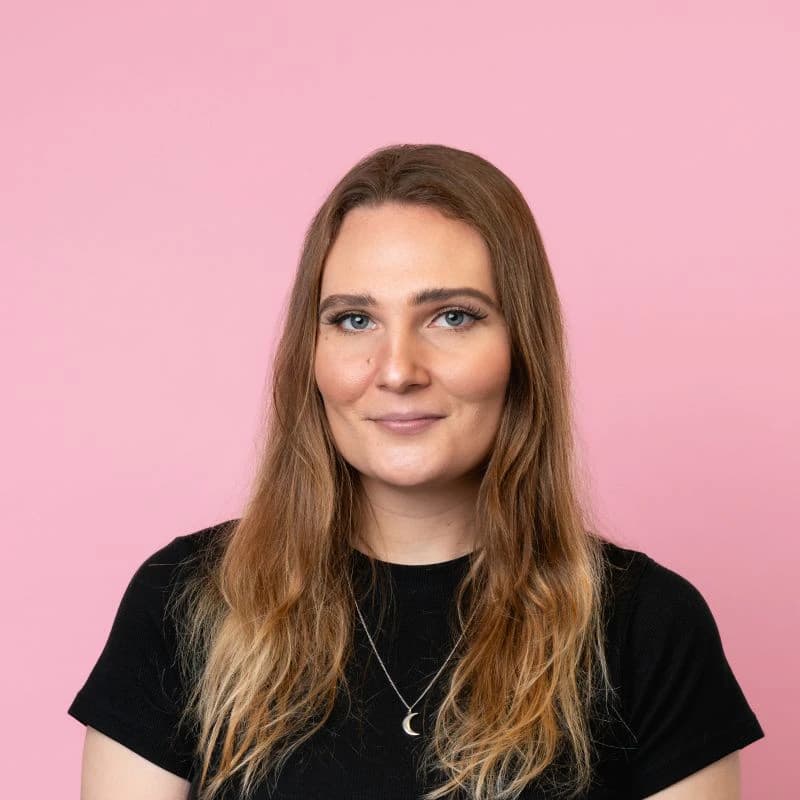
Emily Hughes
Acute drug harm and sexual assault in Aotearoa: A snapshot
This session aims to equip clinicians with a broader understanding of the current drug landscape in New Zealand. We will discuss the dynamic and changing nature of acute drug harm, and importantly, how this intersects with sexual assault.
Emily Hughes is the Principal Science Advisor at the New Zealand Drug Foundation I Te Puna Whakaiti Pāmamae Kai Whakapiri. She has worked in the public health and research sector for over 12 years and is passionate about making science and research accessible for communities- especially in the context of drug harm reduction. At the Drug Foundation, she works across projects such as acute drug harm, overdose prevention, drug checking and provides drug and harm reduction subject matter expertise across the AOD sector in Aotearoa.
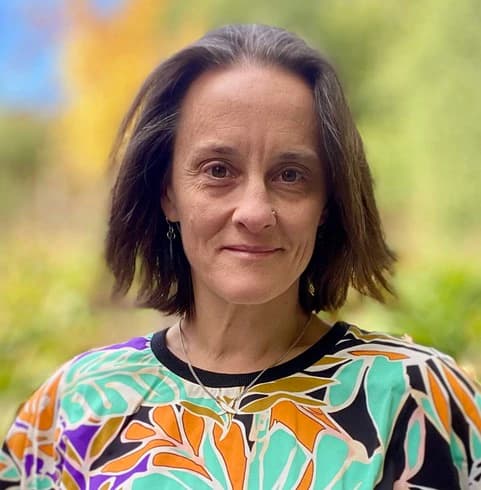
Dr Caroline Ansley
When “No” Isn’t an Option: Recognising Sexual Violence in Coercive High-Control Groups
Coercive high-control groups (aka cults) can profoundly shape how people understand consent, sexuality, relationships and their own bodily autonomy. This session will explore what indoctrination and thought reform actually involve, challenge common myths about why people join and remain in coercive high-control groups, and examine the ways women are frequently expected to be obedient, sexually available or subservient—or, conversely, subjected to strict sexual control and suppression. We will consider how sexual assault may be normalised, or reframed within these environments, including situations where victims are blamed or punished for assaults perpetrated against them, and those where victims are systematically trained to accept and invite ongoing sexual assaults. The session will then focus on the clinical implications: how people affected by coercive high-control groups may present to sexual assault services, the barriers they may face in disclosing or seeking help, and practical, trauma-informed approaches to supporting them.
Dr Caroline Ansley is a general practitioner based in Christchurch with extensive experience in trauma care, including working with survivors of coercive high-control groups. She currently works in forensic mental health and assists with the Christchurch Cambridge Clinic SAATS roster. She is Clinical Lead of the Cult-Informed Professional Network (CIPN), an organisation which works to improve professional understanding of the health and psychosocial harms associated with coercive high-control groups. She wrote the pathway series “High-Control Group Healthcare” which is on all Healthpathways sites. Caroline is also co-host of the award-winning Cult Chat podcast and regularly speaks nationally and internationally on cult-related harm, coercive control and healthcare. She brings both clinical expertise and lived experience as a childhood survivor of Centrepoint.
Silvana Erenchun Pérez
Culture, Journeys and Sexual Violence: Towards More Culturally Responsive Practice
When supporting people from ethnic, migrant and refugee communities who have experienced sexual violence, there are many factors that can shape their experiences and how they engage with support. Migration journeys, culture, faith, family and community expectations, and different understandings of gender, relationships and sexuality can all influence how people understand and respond to sexual violence and whether, when and how they seek support. Drawing on Shama’s experience working alongside diverse ethnic communities, this session will explore some of these influences and what they can mean for our practice. We will consider how cultural humility can help us recognise our own assumptions, stay curious, ask better questions, and provide support that is more culturally safe and responsive to the experiences of the people we work with.
Silvana Erenchun Pérez is the Strategic Manager at Shama Ethnic Women’s Trust, where she has worked for more than 10 years alongside ethnic, migrant and refugee communities, particularly women and families affected by family and sexual violence.
Originally from Chile, Silvana's work in Aotearoa has focused on strengthening culturally responsive services, supporting communities that are often underrepresented in mainstream systems, and helping organisations better understand the experiences, strengths and challenges of Aotearoa’s diverse ethnic communities.
Silvana brings to her presentations a combination of professional experience, community knowledge and her own experience of migration, with a strong belief that culturally safe practice starts not with knowing everything about another person’s culture, but with curiosity, reflection and cultural humility.